Smart Building Implementation
Smart Building Area / Total Building Area × 100%
Total Building Area: 190,441.1 m²
Smart Building Area: 73,333.2 m²
73,333.2 / 190,441.1 × 100 = 38.5%
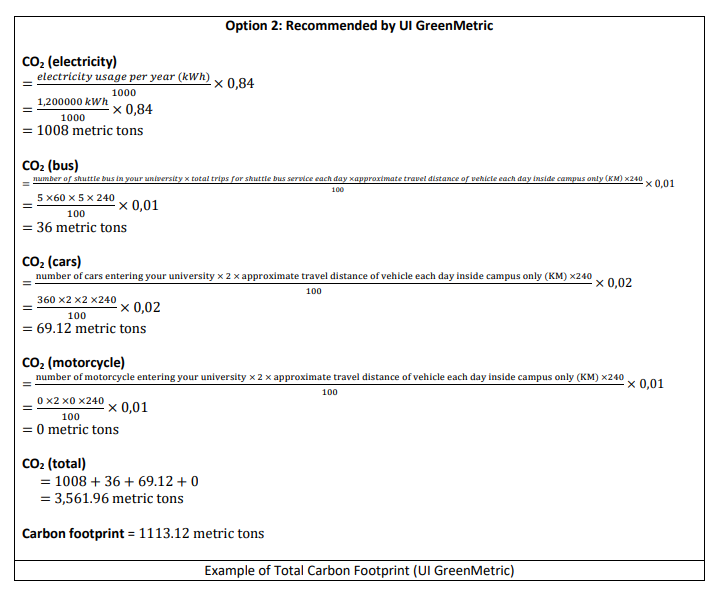
Main Campus
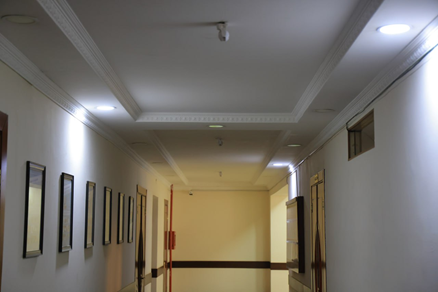
Main Campus
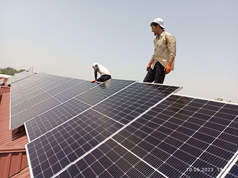
Navoiy Campus
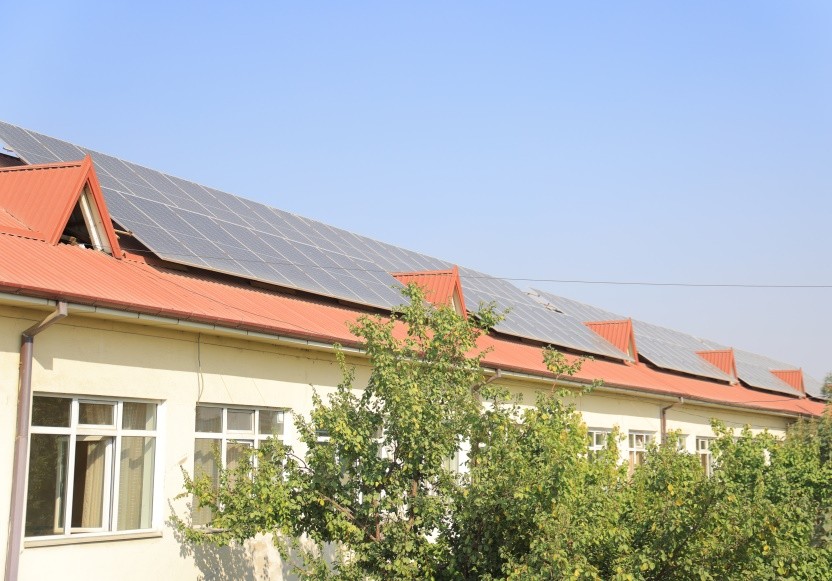
Automotive Engineering Campus
Transport Logistics Campus
The Main Campus of Andijan State Technical Institute serves as the heart of academic and administrative operations. Within the framework of the Smart Building Implementation initiative, the campus has been equipped with a centralized Building Management System (BMS) designed to optimize energy usage and enhance sustainability. The system integrates smart lighting, automated HVAC control, and energy monitoring dashboards. Motion and light sensors automatically adjust indoor lighting based on occupancy and daylight intensity, while temperature regulation systems maintain optimal comfort with minimal energy waste. In addition, all administrative buildings are fitted with smart meters that track real-time power and water consumption, allowing facility managers to make data-driven decisions for conservation. Digital dashboards display usage analytics, promoting transparency and awareness among both students and staff. Through these innovations, the Main Campus has achieved a measurable reduction in electricity and water use, contributing directly to SDG 7 (Affordable and Clean Energy), SDG 9 (Industry, Innovation, and Infrastructure), and SDG 13 (Climate Action).
The automotive Engineering Campus plays a crucial role in integrating innovation and sustainability within the institute’s technical disciplines. As part of the Smart Building Implementation program, this campus has been transformed into a model of intelligent infrastructure that supports both academic and research activities. The laboratories and workshops are equipped with smart ventilation systems and automated air-quality monitoring sensors to ensure a healthy and efficient learning environment. Energy-efficient LED systems are installed across all facilities, operating under motion-based control mechanisms to minimize unnecessary electricity usage. Moreover, the campus has introduced a digital maintenance management system (DMMS) that tracks equipment performance and schedules predictive maintenance. This reduces downtime, conserves resources, and extends the lifespan of machines and laboratory tools. To further promote sustainable engineering practices, solar-powered stations and digital energy meters have been installed around the campus, helping to track renewable energy contribution in real time. These initiatives strongly align with SDG 7 (Affordable and Clean Energy), SDG 9 (Industry, Innovation, and Infrastructure), and SDG 11 (Sustainable Cities and Communities).
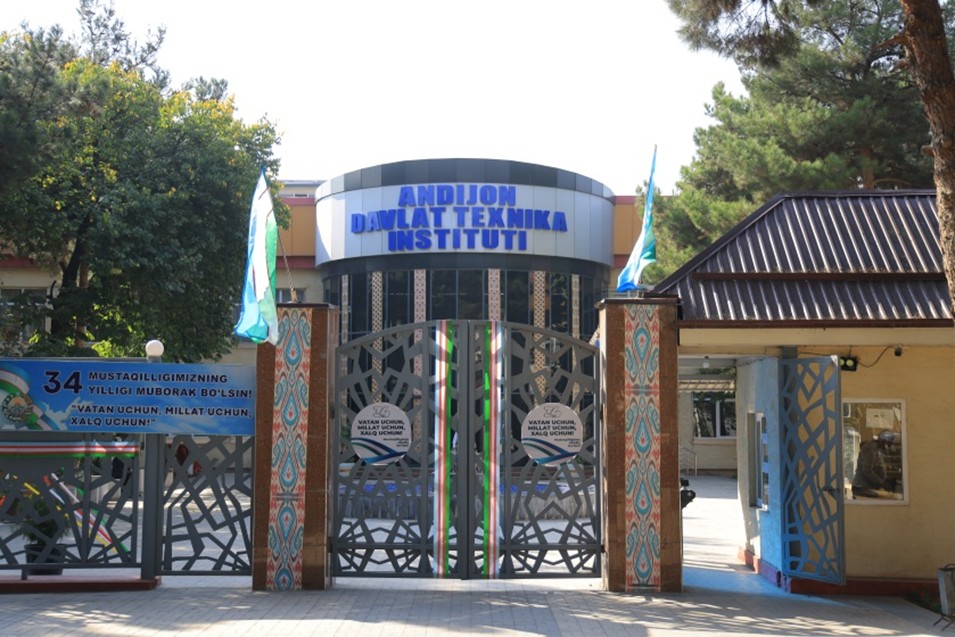
The Transport logistics Campus serves as the core of sustainable innovation and renewable energy development within the institute. As part of the Smart Building Implementation strategy, the campus has been designed with a strong focus on energy efficiency, renewable integration, and intelligent resource management. The entire campus infrastructure operates under a smart microgrid system, integrating solar photovoltaic panels, energy storage batteries, and automated energy distribution units. These systems ensure that electricity generation and consumption are balanced in real time, minimizing energy waste and maximizing renewable utilization. Buildings are equipped with intelligent HVAC systems, smart lighting with daylight sensors, and digital energy meters to continuously monitor and optimize performance. Research laboratories include IoT-based environmental monitoring tools that track indoor air quality, humidity, and temperature — ensuring optimal conditions for energy experiments. Moreover, the campus serves as a living laboratory for students and researchers to test sustainable technologies such as smart charging stations, regenerative systems, and AI-based energy optimization algorithms. The Green Energy Research Campus strongly supports SDG 7 (Affordable and Clean Energy), SDG 9 (Industry, Innovation, and Infrastructure), and SDG 13 (Climate Action) by pioneering environmentally responsible building management solutions.