Impact of Energy and Climate Change programs in supporting the Sustainable Development Goals (SDGs)
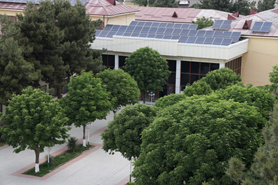
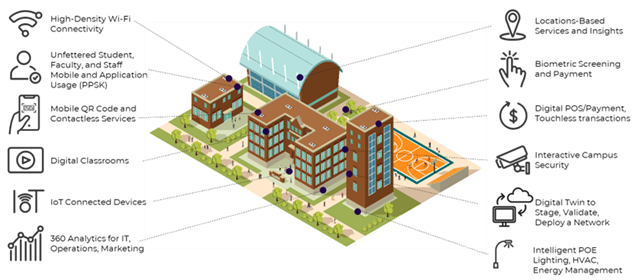
Impact of Energy and Climate Change Programs in Supporting the Sustainable Development Goals The Energy and Climate Change initiatives at Andijan State Technical Institute (ASTI) play a significant role in advancing multiple United Nations Sustainable Development Goals (SDGs). Through the installation of solar panels and the integration of renewable energy systems across campus buildings, the institute contributes directly to SDG 7: Affordable and Clean Energy, ensuring reliable and sustainable power generation for educational and administrative activities. The implementation of energy-efficient technologies, including smart lighting, automated HVAC systems, and the adoption of IoT-based energy monitoring tools, supports SDG 13: Climate Action by reducing greenhouse gas emissions and promoting a low-carbon operational model. These efforts are complemented by awareness programs, green campus campaigns, and digital courses that encourage students and staff to adopt sustainable practices in their daily activities. Moreover, ASTI’s focus on research and innovation in the field of electromobility and green manufacturing aligns with SDG 9: Industry, Innovation, and Infrastructure, by fostering the development of cleaner technologies and energy-saving systems. The institute’s emphasis on creating a resource-efficient and resilient campus environment also contributes to SDG 11: Sustainable Cities and Communities, and SDG 12: Responsible Consumption and Production, through efficient use of natural resources and waste reduction strategies. Overall, these integrated energy and climate change programs demonstrate ASTI’s strong commitment to environmental stewardship and its contribution to a more sustainable future at the local, national, and global levels.
Programs and Initiatives Supporting Sustainable Energy and Climate Action
| Program / Initiative | Description | Supported SDG(s) | Impact Indicators | Responsible Department |
|---|---|---|---|---|
| Solar Energy Program | Installation of solar panels on campus rooftops to supply clean and renewable energy for academic and administrative buildings. | SDG 7 – Affordable and Clean Energy; SDG 13 – Climate Action |
460,000 kWh/year of renewable energy produced; 35% reduction in electricity costs; lower CO₂ emissions. |
Energy Management Department, ICT Department |
| Smart Energy Management System | IoT-based system to monitor and control lighting, air conditioning, and overall electricity use. | SDG 9 – Industry, Innovation and Infrastructure; SDG 13 – Climate Action |
20% energy savings achieved through automation and data-driven management. | ICT Department, Facility Management |
| Green Manufacturing and Electromobility Research | Research on increasing electric vehicle efficiency and promoting clean industrial technologies. | SDG 9 – Industry, Innovation and Infrastructure; SDG 7 – Clean Energy |
Development of energy-efficient prototypes; 3 student projects and 2 faculty studies on green technologies. |
Research and Innovation Department |
| Awareness and Training Programs | Online courses, seminars, and student-led campaigns on energy conservation and climate responsibility. | SDG 12 – Responsible Consumption and Production; SDG 13 – Climate Action |
1,200+ students trained; increased energy awareness across campus. |
Environmental Science Department, Student Affairs |
| Campus Greening and Energy Audit Program | Periodic energy audits and maintenance of green spaces using ICT-based monitoring tools. | SDG 11 – Sustainable Cities and Communities; SDG 13 – Climate Action |
Annual audit reports; improved air quality and environmental performance index. |
Energy Management Committee, Sustainability Office |
Impact of Energy and Climate Change Programs in Supporting the Sustainable Development Goals (SDGs)
Andijan State Technical Institute (ASTI) has developed a comprehensive approach to energy and climate action that aligns with the entire spectrum of the United Nations Sustainable Development Goals (SDGs). Each initiative is designed to create positive environmental, economic, and social impacts through research, technology, and education. The programs implemented across the institute not only aim to improve operational sustainability but also demonstrate ASTI’s active role in supporting Uzbekistan’s commitment to global sustainability agendas.
SDG 1 – No Poverty
The institute contributes to poverty reduction by improving energy efficiency and cutting operational costs, which allows the redirection of financial savings toward student support programs. Through renewable energy generation, ASTI reduces utility expenses and reinvests those funds into scholarships for low-income students. Moreover, the expansion of sustainable energy and green infrastructure projects creates local job opportunities in the Andijan region. ASTI also partners with local vocational schools to provide skill-based training in energy system maintenance, helping underprivileged youth access new career paths. By promoting inclusive education, fair resource allocation, and sustainable energy projects, ASTI supports long-term poverty alleviation efforts.
SDG 2 – Zero Hunger
ASTI contributes to food security through efficient use of energy in campus dining and research facilities. The use of solar-powered systems for refrigeration and kitchen operations reduces dependency on conventional electricity, ensuring stable food services even during energy shortages. The institute promotes sustainable consumption within its campus cafeterias by sourcing local and seasonal produce, reducing food miles, and minimizing waste through digital inventory management. Research on sustainable irrigation systems and energy-saving equipment for food processing contributes to regional agricultural resilience.
SDG 3 – Good Health and Well-being
Transitioning to renewable energy sources has improved air quality within and around the campus. Automated ventilation systems, smart temperature controls, and efficient lighting enhance comfort and promote healthier conditions. ASTI also emphasizes wellness through awareness campaigns and environmental health programs that link physical well-being with sustainability.
SDG 4 – Quality Education
Sustainability is deeply embedded in ASTI’s curriculum through courses in Renewable Energy Systems, Environmental Engineering, and Sustainable Manufacturing. Digital learning tools enhance access to online laboratories, simulations, and research data. Workshops and conferences help students apply theoretical knowledge to real-world climate challenges.
SDG 5 – Gender Equality
ASTI promotes gender equality through women’s participation in sustainability research and energy management committees. Mentorship programs and inclusive recruitment ensure equal opportunities for leadership, scholarships, and research involvement. Female students are empowered to lead innovation challenges and climate action projects.
SDG 6 – Clean Water and Sanitation
The institute integrates ICT-based water monitoring systems to track and optimize usage. Automated renewable-powered irrigation maintains green spaces efficiently. Research in wastewater recycling and pollution prevention supports sustainable water systems on campus and in the community.
SDG 7 – Affordable and Clean Energy
ASTI’s solar power systems generate approximately 460,000 kWh annually, reducing energy costs and emissions. Smart grids and IoT-based systems ensure accurate monitoring and efficient consumption. Student-led projects design affordable renewable technologies for rural areas.
SDG 8 – Decent Work and Economic Growth
Renewable energy projects create job opportunities for engineers, researchers, and technicians. Partnerships with industry provide students with internships and experience in green technology sectors. The institute contributes to regional economic resilience through sustainable procurement.
SDG 9 – Industry, Innovation and Infrastructure
ASTI fosters innovation in electromobility, electric vehicle systems, and green manufacturing. Collaboration with industrial partners ensures practical application of research and promotes resilient infrastructure. Smart laboratories support digital manufacturing and sustainable industrial growth.
SDG 10 – Reduced Inequalities
ASTI provides equitable access to education and clean technology for students from all backgrounds. Renewable energy outreach programs supply affordable power to rural communities, narrowing economic gaps. Inclusivity and social equity are central to ASTI’s sustainability mission.
SDG 11 – Sustainable Cities and Communities
ASTI’s green campus design models sustainable urban planning. Smart buildings, waste management systems, and community partnerships promote urban resilience. Training programs with municipalities help expand sustainable design practices regionally.
SDG 12 – Responsible Consumption and Production
Paperless systems, smart metering, and recycling campaigns promote resource efficiency. Sustainable procurement policies prioritize local, recyclable, and energy-efficient materials. Students lead awareness campaigns encouraging zero-waste lifestyles.
SDG 13 – Climate Action
The Energy Management Committee tracks emissions and solar output through ICT-based tools. Annual sustainability reports guide improvements in climate policy. Training programs equip students with practical climate mitigation skills.
SDG 14 – Life Below Water
Though inland, ASTI protects aquatic ecosystems by managing wastewater and reducing pollution. Research in water treatment ensures laboratory and workshop discharges meet sustainability standards. Students learn ecosystem protection as part of environmental education.
SDG 15 – Life on Land
Tree-planting and biodiversity projects enhance campus greenery and local ecosystems. Students monitor vegetation health and soil quality to promote ecological balance. These initiatives strengthen ASTI’s commitment to environmental conservation.
SDG 16 – Peace, Justice and Strong Institutions
ASTI ensures transparency through open sustainability data systems. Inclusive committees promote fair participation and accountability in all environmental decisions. This strengthens institutional integrity and ethical governance.
SDG 17 – Partnerships for the Goals
ASTI collaborates with universities and research networks worldwide, including UI GreenMetric. Joint projects, conferences, and exchange programs enhance innovation and sustainability capacity. These partnerships highlight ASTI’s role in advancing the global SDG agenda.
Conclusion
Through its energy and climate change programs, Andijan State Technical Institute actively supports all 17 Sustainable Development Goals. Each initiative is reinforced by ICT integration, data-based decision-making, and strong community participation. This holistic approach ensures that ASTI remains a leading example of sustainability and innovation in Uzbekistan’s higher education sector.