Renewable Energy Generation
Promoting sustainable energy production through renewable technologies, smart energy management, and environmental responsibility.
SDG 7 - Affordable and Clean Energy SDG 9 - Industry, Innovation and Infrastructure SDG 11 - Sustainable Cities and Communities SDG 13 - Climate Action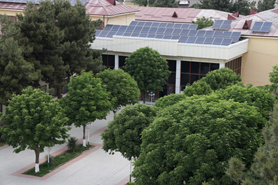
Renewable Energy Generation
The institute has made substantial progress in transforming its infrastructure toward a sustainable and energy-efficient model. Recognizing the global urgency of climate action, the university has implemented multiple renewable energy systems to promote cleaner power generation, reduce carbon emissions, and serve as a practical example of sustainability for the academic community.
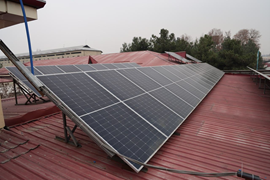
The cornerstone of the renewable energy initiative is the solar photovoltaic (PV) system installed across all major campuses. A network of high-efficiency solar panels covers the rooftops of administrative buildings, academic blocks, laboratories, and student dormitories. Collectively, these systems generate around 460,000 kWh of clean electricity annually, significantly offsetting dependence on conventional power sources. The electricity generated is integrated into the institute’s main power grid through smart inverters and digital energy controllers, which balance the flow of solar power based on real-time demand.
A Smart Energy Monitoring System (SEMS) operates across the entire campus network, continuously tracking solar energy production, consumption levels, and system performance. This platform enables facility managers and students to analyze live data, compare seasonal efficiency trends, and identify areas for improvement. Such transparency fosters a culture of responsibility and innovation in sustainable energy management.
In addition to solar energy, the Green Energy Research Campus operates micro wind turbines, solar-powered EV charging stations, and battery storage systems that store excess power for later use. These technologies ensure a stable energy supply, even during cloudy or low-wind conditions. Furthermore, energy-efficient street lighting, powered entirely by solar panels, illuminates walkways and outdoor spaces, enhancing both safety and sustainability.
The integration of renewable systems is also tied to the academic curriculum. Engineering and environmental science students use real-time energy data for research projects, simulation studies, and the development of next-generation renewable technologies. Through this, the campus serves as a living laboratory where innovation, sustainability, and education converge.
A Hybrid Energy Management Platform synchronizes the operation of solar and wind systems with the national grid, optimizing energy usage and minimizing waste. These combined efforts have resulted in a measurable reduction of the institute’s carbon footprint, energy costs, and overall environmental impact.
Annual Renewable Energy Production
510,433 kWh / Year
Through the generation of 510,433 kWh of renewable energy each year, the institute demonstrates strong commitment to the United Nations Sustainable Development Goals, particularly SDG 7 (Affordable and Clean Energy), SDG 9 (Industry, Innovation, and Infrastructure), SDG 11 (Sustainable Cities and Communities), and SDG 13 (Climate Action). This initiative not only powers the campus sustainably but also inspires a new generation of students to build a cleaner and greener future.