Energy Efficiency
Promoting sustainable energy management through efficient technologies, smart monitoring, and environmental responsibility.
SDG 7 - Affordable & Clean Energy SDG 13 - Climate Action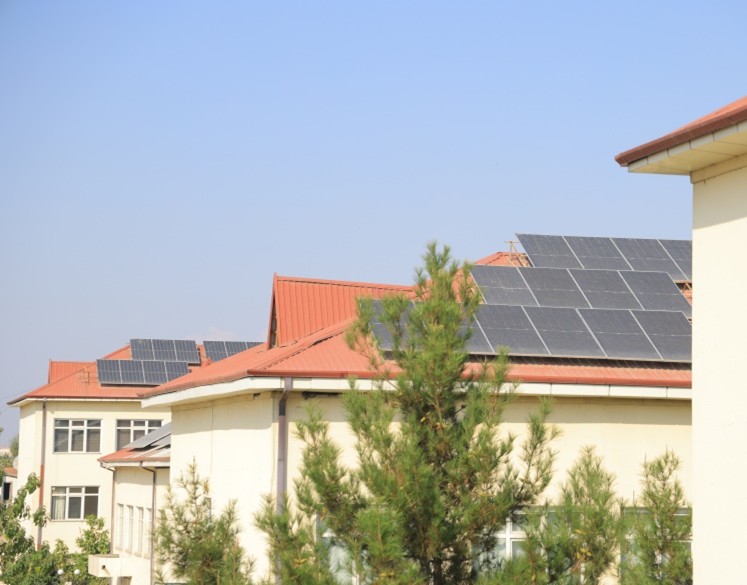
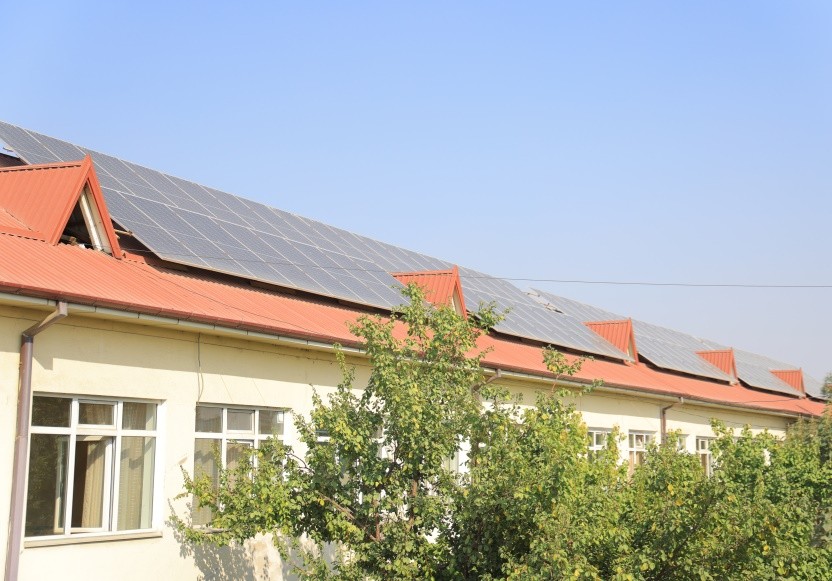

Energy-Efficient Campus
Energy efficiency is one of the primary strategies implemented on campus to reduce electricity consumption, minimize carbon emissions, and promote sustainable resource utilization. The institution has adopted a systematic approach to energy management by progressively replacing traditional appliances with high-efficiency alternatives across academic buildings, laboratories, dormitories, and administrative offices.
These improvements include LED lighting systems, inverter-based air conditioners, motion-sensor lighting, low-power computer systems, and energy-saving office equipment. Through these upgrades, the campus supports environmental protection while reducing long-term operational costs.
Efficient Appliances
The campus uses LED lighting, inverter air conditioners, low-power computers, and energy-saving office equipment to significantly reduce electricity consumption.
Smart Energy Monitoring
Smart monitoring systems track power consumption, identify high-load areas, and improve maintenance planning for efficient energy management.
Awareness Programs
Students and staff participate in regular campaigns encouraging responsible energy use, including turning off lights and electronic devices when not needed.
Sustainable Energy Initiatives
- ✅ Solar-powered streetlights
- ✅ Motion-sensitive corridor lighting
- ✅ Daylight-based lighting control systems
- ✅ Automatic voltage regulators
- ✅ Energy-efficient laboratory equipment
Continuous maintenance and energy audits ensure optimal system performance while complying with national energy efficiency standards. These initiatives have resulted in measurable reductions in electricity costs, lower greenhouse gas emissions, and improved sustainability performance.
The institute's commitment to energy efficiency strengthens operational excellence while serving as an example of environmental stewardship for the surrounding community.