The number of innovative program(s) in Energy and Climate Change
Energy and Sustainability Programs at Andijan State Technical Institute
-
1. Energy Efficiency and Renewable Energy Program
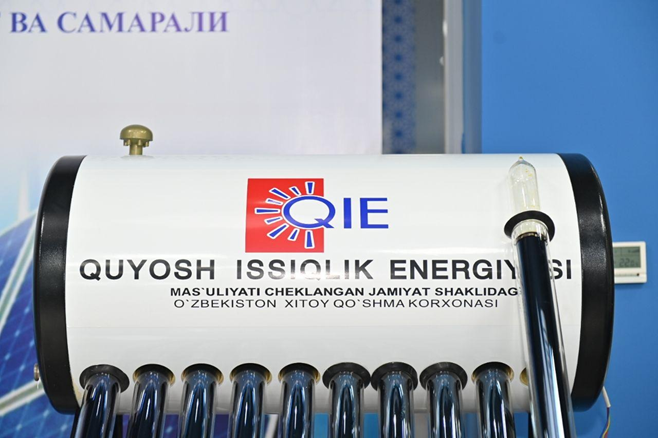
The Energy Efficiency and Renewable Energy Program at Andijan State Technical Institute is one of the flagship initiatives designed to promote sustainable energy practices across the campus. The primary goal of this program is to optimize energy consumption in university facilities while simultaneously increasing the share of renewable energy sources. Over the past few years, the institute has invested in solar energy technologies, including the installation of photovoltaic panels on academic buildings and student dormitories. These systems now provide a significant portion of the institute’s total electricity demand, contributing directly to the reduction of carbon emissions. This program also focuses on monitoring and analyzing energy usage patterns throughout the campus. Data from smart meters and monitoring devices are regularly collected to assess energy efficiency performance and identify areas that require improvement. Students from the Mechanical and Electrical Engineering faculties actively participate in these monitoring activities as part of their coursework and research. This hands-on involvement not only enhances their technical understanding of energy systems but also raises awareness about responsible energy consumption. Another essential part of the program involves research on renewable technologies such as solar thermal systems, wind turbines, and battery storage. The institute’s laboratories are equipped to test small-scale renewable models and evaluate their performance under different environmental conditions. These research outcomes are often presented at national and international conferences, strengthening the university’s position in the regional renewable energy innovation network. Furthermore, the program extends beyond the campus by engaging with local communities and industries. Workshops and awareness campaigns on energy-saving methods are conducted regularly. Through these outreach activities, the institute promotes the wider adoption of renewable energy solutions in the Andijan region, supporting Uzbekistan’s national vision for transitioning toward a green and sustainable energy economy.
-
2. Green Manufacturing Technologies Program
The Green Manufacturing Technologies Program aims to transform traditional industrial education into a sustainable and environmentally responsible model. This initiative integrates eco-friendly practices into the design, production, and operation processes of mechanical and technological systems used in the institute’s laboratories. The focus is to reduce waste, minimize pollution, and promote the efficient use of materials and energy in all stages of production. As part of the program, students and researchers explore innovative approaches to sustainable manufacturing. They are encouraged to redesign existing production methods using clean energy technologies and digital tools such as computer-aided design (CAD) and computer-aided manufacturing (CAM). These digital innovations help optimize production lines, reduce excess material usage, and ensure higher precision in mechanical processes. This not only saves resources but also contributes to lowering the environmental footprint of educational and research activities. The institute’s workshops have also undergone significant upgrades to align with green manufacturing standards. Energy-efficient machinery and air filtration systems have been installed to ensure a healthier and safer learning environment. Moreover, waste segregation and recycling systems have been introduced, allowing metal, plastic, and other materials to be reused or recycled in subsequent projects. This initiative reinforces the principle of a circular economy among students, encouraging them to think about sustainability in every stage of engineering design. Beyond the campus, the Green Manufacturing Technologies Program also serves as a platform for collaboration with local industries. Through joint research and pilot projects, the institute helps enterprises in the Andijan region transition toward more efficient and eco-friendly production systems. These partnerships contribute to the national goal of developing an industrial sector that is not only innovative and competitive but also environmentally responsible.
-
3. Collaborative Research Initiative on Sustainable Energy
The Collaborative Research Initiative on Sustainable Energy is a research-driven program designed to foster innovation through partnerships between academia, industry, and international organizations. The program provides a platform for students, researchers, and professionals to develop solutions addressing the pressing challenges of energy transition, climate adaptation, and sustainable technology deployment. It highlights the institute’s commitment to research excellence and its active role in contributing to global energy sustainability. This initiative encourages interdisciplinary collaboration among different departments, including Mechanical Engineering, Environmental Science, and Electrical Engineering. Joint projects focus on topics such as improving the efficiency of electric vehicles, optimizing regenerative braking systems, and integrating renewable energy sources into microgrids. Faculty members and graduate students regularly publish research papers in international journals and participate in conferences, contributing to the exchange of innovative ideas and practical knowledge. The program also maintains active cooperation with local industries and foreign universities through memorandums of understanding (MoUs). These partnerships support the implementation of joint experiments, data sharing, and technology transfer activities. International research collaborations have been particularly impactful in improving research quality and providing opportunities for student mobility and professional growth. Such cooperation strengthens the institute’s global academic reputation and enhances its ability to attract external funding for green innovation. In addition to research, the program places emphasis on community impact and capacity building. Through seminars, roundtables, and project demonstrations, students and young researchers are trained to become future leaders in energy sustainability. By encouraging critical thinking and innovative problem-solving, the Collaborative Research Initiative ensures that the next generation of engineers and scientists will be capable of developing technologies that harmonize industrial growth with environmental protection.
-
4. Courses in Environmental Engineering and Sustainability
The Courses in Environmental Engineering and Sustainability program was introduced to integrate sustainability education across all levels of study at Andijan State Technical Institute. The main objective is to prepare students to understand, analyze, and address complex environmental challenges while developing the skills needed to design eco-friendly technologies. These courses combine theoretical foundations with practical experiences, ensuring a balance between knowledge and application. Students learn about topics such as renewable energy systems, sustainable transportation, climate change adaptation, waste management, and environmental policy. The curriculum emphasizes systems thinking — helping students understand how engineering solutions interact with social, economic, and environmental systems. Laboratory sessions provide practical exposure, where students measure emissions, test materials for recyclability, and analyze energy performance in mechanical systems. Moreover, sustainability topics are embedded in non-engineering subjects as well. Courses in economics, management, and communication now include components related to environmental responsibility and green innovation. This multidisciplinary approach ensures that every graduate from the institute, regardless of their field, possesses a foundational understanding of sustainability principles. Guest lectures from experts in academia, industry, and government further enrich the learning experience by providing real-world perspectives. The impact of this program extends beyond academic learning. Many student-led initiatives have emerged from these courses, such as environmental clubs, green campus projects, and awareness campaigns on recycling and energy conservation. By encouraging students to apply classroom knowledge to real-life sustainability challenges, the institute cultivates a culture of responsibility and innovation that aligns with the broader objectives of the UI GreenMetric World University Ranking framework.