Impact of Education and Research programs in supporting the Sustainable Development Goals (SDGs).
Impact of Education and Research Programs in Supporting the SDGs
Andijan State Technical Institute (ASTI) places education and research at the core of its strategy for promoting sustainability and achieving the United Nations Sustainable Development Goals (SDGs). The institute’s educational programs are designed not only to provide academic knowledge but also to cultivate environmental awareness, social responsibility, and innovative thinking among students and researchers. Through an interdisciplinary approach that integrates sustainability concepts into the curriculum, ASTI ensures that every graduate possesses the skills and mindset necessary to contribute to sustainable development in their professional fields.
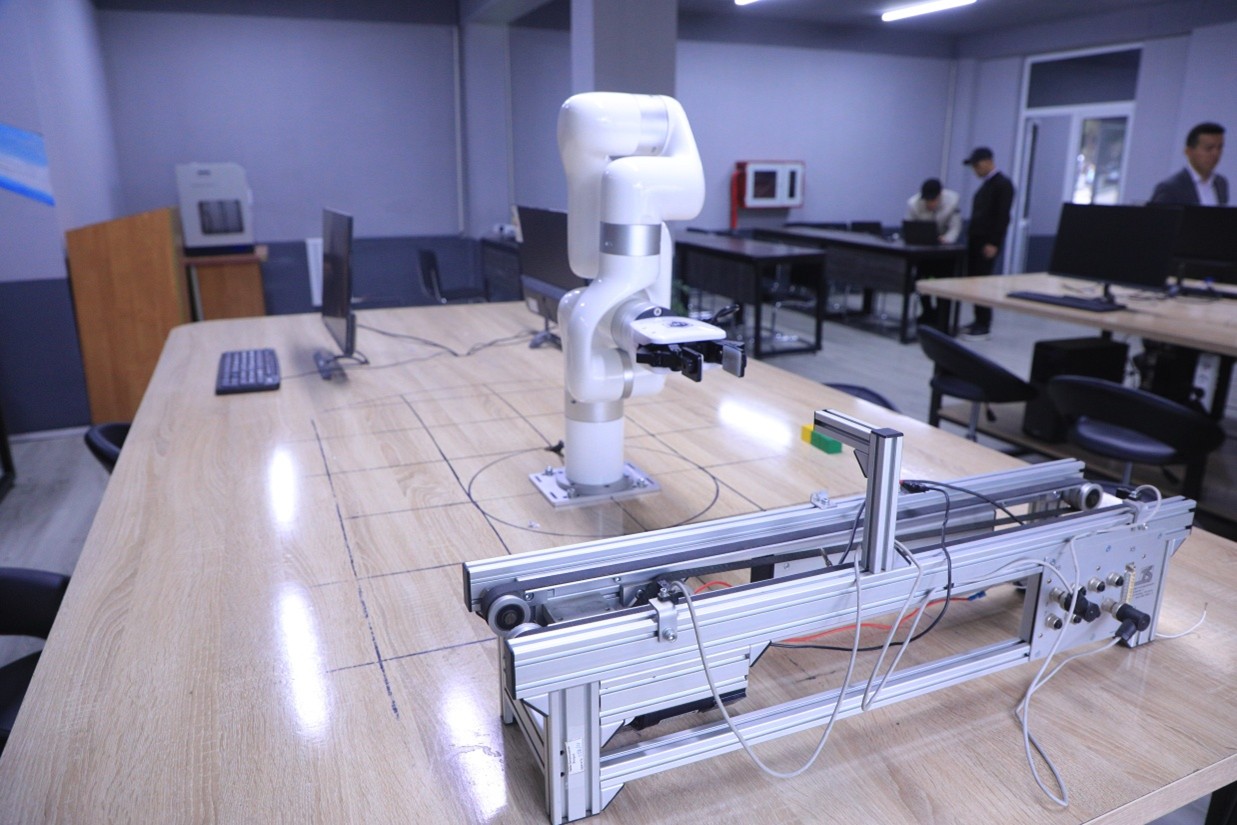
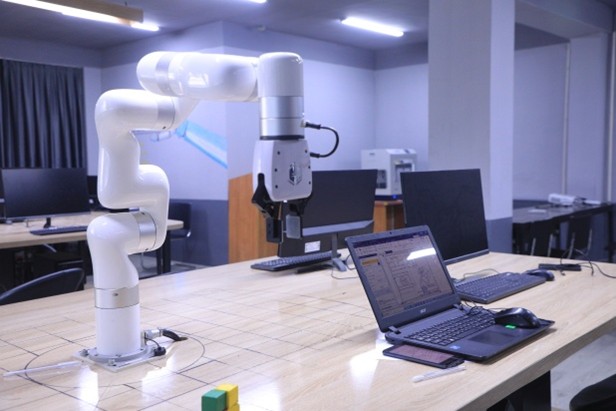
In terms of education, ASTI offers specialized courses and training modules focused on renewable energy, energy efficiency, waste management, environmental protection, sustainable manufacturing, and green mobility. Additionally, seminars, workshops, and student research competitions inspire innovation and practical solutions to environmental challenges. These efforts contribute directly to SDG 4, SDG 7, SDG 11, and SDG 13.
In research, ASTI actively supports projects addressing sustainability issues at local, national, and international levels, including the GREENDT Project, Energy Efficiency Program, Water Recycling and Treatment Systems, and Smart Mobility Projects. These contribute to SDG 6, SDG 9, and SDG 12. Research outcomes are shared through publications, conferences, and community outreach.
ASTI’s integration of sustainability into both education and research fosters a culture of continuous learning and innovation. Students and faculty collaborate to implement environmentally responsible practices, develop clean technologies, and engage in community-based sustainability initiatives. This holistic approach ensures ASTI educates future engineers and scientists as change-makers contributing to the global sustainability agenda.
SDG Contributions
- SDG 1 – No Poverty: Empowering communities through inclusive economic and educational programs, accessible education, skill-based training, and entrepreneurship initiatives.
- SDG 2 – Zero Hunger: Advancing sustainable agriculture and food security research, promoting efficient irrigation, and eco-friendly farming practices.
- SDG 3 – Good Health and Well-being: Supporting initiatives for physical and mental health, occupational safety, ergonomic design, and community wellness programs.
- SDG 4 – Quality Education: Ensuring quality education through modern curricula, digital learning, sustainability-focused teaching, and fostering critical thinking.
- SDG 5 – Gender Equality: Promoting inclusive education, scholarships, leadership opportunities, and awareness campaigns for gender equality.
- SDG 6 – Clean Water and Sanitation: Conducting water conservation studies, wastewater treatment projects, and improving water infrastructure and management.
- SDG 7 – Affordable and Clean Energy: Advancing renewable energy programs, solar technology, and efficient power systems to reduce carbon emissions.
- SDG 9 – Industry, Innovation, and Infrastructure: Supporting innovation and sustainable industrialization through eco-friendly machinery, automation, and industrial research collaboration.
- SDG 11 – Sustainable Cities and Communities: Applied research in transport engineering and smart city development, optimizing traffic, building design, and urban infrastructure resilience.
- SDG 12 – Responsible Consumption and Production: Promoting waste reduction, recycling, and sustainable resource management for students and industries.
- SDG 13 – Climate Action: Contributing to climate mitigation and adaptation, environmental monitoring, emission reduction research, and green campus initiatives.
- SDG 15 – Life on Land: Conserving ecosystems through biodiversity research, reforestation, and sustainable land management programs.
- SDG 17 – Partnerships for the Goals: Building international partnerships, research exchanges, and collaborative projects to support global SDG implementation.
Through these efforts, ASTI strengthens its position as a key contributor to the UI GreenMetric World University Rankings and supports a greener, smarter, and more sustainable future for all.