Conservation: plant (flora), animal (fauna), or wildlife, genetic resources for food and agriculture secured in either medium or long-term conservation facilities

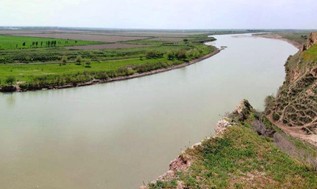
Conservation of Plant, Animal, and Wildlife Genetic Resources for Food and Agriculture
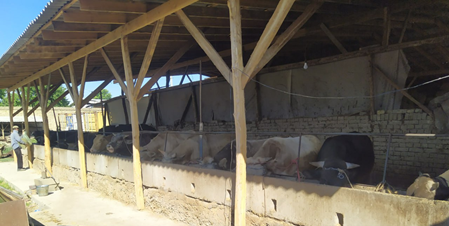
Andijan State Technical Institute plays an active role in conserving biological diversity and ensuring the sustainable management of natural resources. Various initiatives have been implemented to protect plant, animal, and wildlife genetic resources that contribute to ecological balance and agricultural resilience.
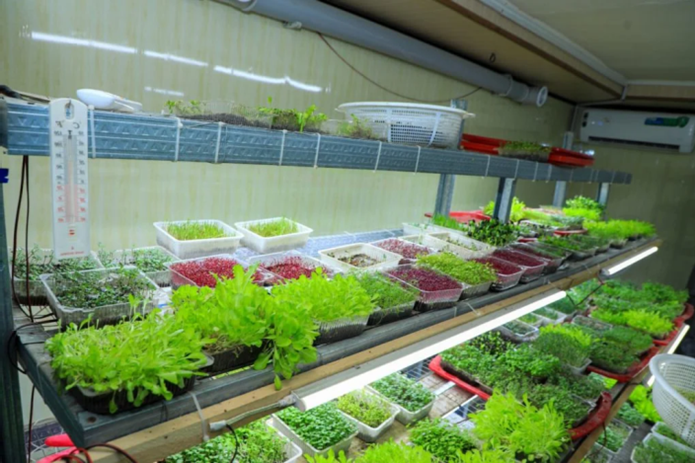
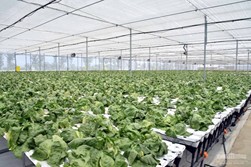
The campus maintains dedicated green zones, botanical gardens, and experimental fields where native and adaptive plant species are cultivated. These areas serve as living laboratories for students and researchers while preserving the genetic heritage of local vegetation adapted to regional climate and soil conditions.
Plant Genetic Resource Conservation
The institute collaborates with agricultural research centers and local farms to preserve plant seeds and genetic materials through controlled storage facilities and seed banks. Medium-term conservation systems help protect rare and endangered species from habitat loss, environmental degradation, and climate change.
Faculty members and students actively participate in seed collection, cataloging, documentation, propagation, and conservation projects that contribute to both scientific research and community engagement while supporting sustainable food production.
Wildlife and Biodiversity Protection
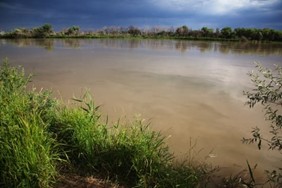
Wildlife conservation forms an integral part of the institute's environmental strategy. Green spaces across the campus provide safe habitats for birds, pollinators, and small wildlife species. Tree planting initiatives and sustainable landscaping strengthen ecological corridors that connect campus biodiversity with surrounding natural ecosystems.
Environmental management practices minimize pollution, protect natural habitats, and promote harmonious coexistence between university activities and local wildlife. Environmental awareness campaigns are regularly organized to educate students, staff, and the surrounding community about biodiversity conservation and ecosystem protection.
Research for Sustainable Agriculture
Research laboratories specializing in agronomy, biotechnology, environmental science, and agricultural engineering conduct studies on crop improvement, soil fertility, climate adaptation, pest resistance, and sustainable farming technologies using preserved genetic resources. These research activities contribute to agricultural innovation, biodiversity conservation, and regional food security.
Institutional Commitment
Through integrated conservation programs, scientific research, practical field activities, and community participation, Andijan State Technical Institute demonstrates its long-term commitment to preserving plant, animal, and wildlife genetic resources for food and agriculture. These initiatives strengthen environmental stewardship, protect biodiversity, enhance climate resilience, and support sustainable agricultural development for future generations.