Campus facilities for disabled, special needs, and/or maternity care
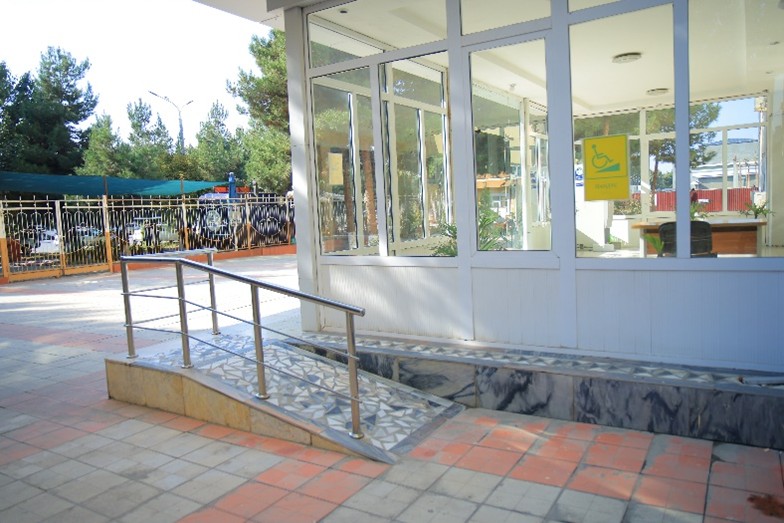 1. The way of disable people entering (Andijan state technical institute, Uzbekistan)
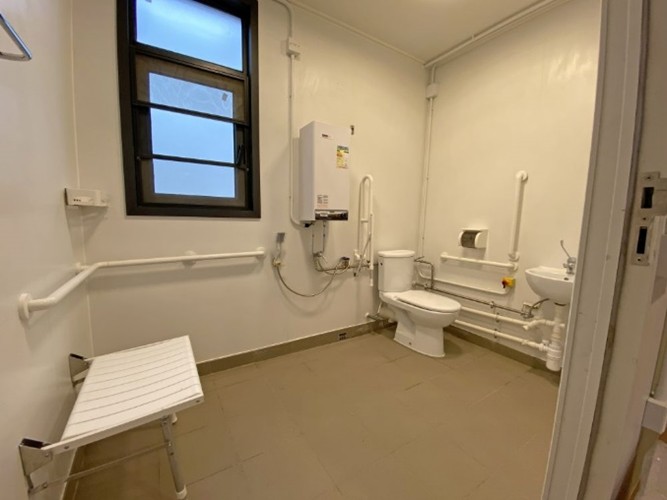 2. Accessible toilet (Andijan state technical institute, Uzbekistan)
Campus Facilities for Disabled, Special Needs, and Maternity Care
Andijan State Technical Institute (ASTI) prioritizes creating an inclusive and accessible environment for all members of its academic community, including individuals with disabilities, special needs, and maternity care requirements. Campus infrastructure has been designed to ensure equal access to educational, administrative, and recreational facilities. Entrances to major academic buildings and administrative offices are equipped with wheelchair ramps, wide doorways, and accessible pathways, allowing individuals with mobility challenges to move safely and independently across campus.
The institute continuously improves its facilities to provide equal educational opportunities for students with disabilities while promoting a barrier-free campus environment that supports diversity, inclusion, and equal participation.
Accessible Campus Infrastructure
- Wheelchair-accessible ramps.
- Wide entrance doors.
- Barrier-free pedestrian pathways.
- Accessible administrative offices.
- Easy access to campus facilities.
Inclusive Learning Facilities
- Accessible classrooms and laboratories.
- Adjustable desks for wheelchair users.
- Visual learning support.
- Auditory assistance facilities.
- Regular accessibility improvements.
Maternity Care Facilities
- Private lactation rooms.
- Comfortable seating areas.
- Refrigeration facilities.
- Basic medical supplies.
- Safe and hygienic environment for mothers and infants.
Inclusive Campus Environment
Special attention is given to ensuring that learning spaces remain accessible and comfortable for all students. Ground-floor classrooms and laboratories are designed with sufficient space for wheelchair users, while visual and auditory support technologies assist students with hearing or vision impairments. The institute regularly reviews and upgrades these facilities to comply with modern accessibility standards.
The campus also provides dedicated maternity and lactation rooms for female staff and students, emphasizing the institute's commitment to supporting the health, dignity, and well-being of women on campus.
Awareness and Continuous Improvement
ASTI regularly organizes awareness campaigns, training sessions, and community programs that promote respect, empathy, accessibility, and equal opportunity for all members of the university. These initiatives encourage students and staff to actively contribute to a supportive and barrier-free campus culture.
Through continuous infrastructure improvements and inclusive policies, Andijan State Technical Institute ensures that every member of its academic community—regardless of physical ability, special needs, or personal circumstances—has equal opportunities to learn, work, and thrive in a safe, welcoming, and sustainable environment.