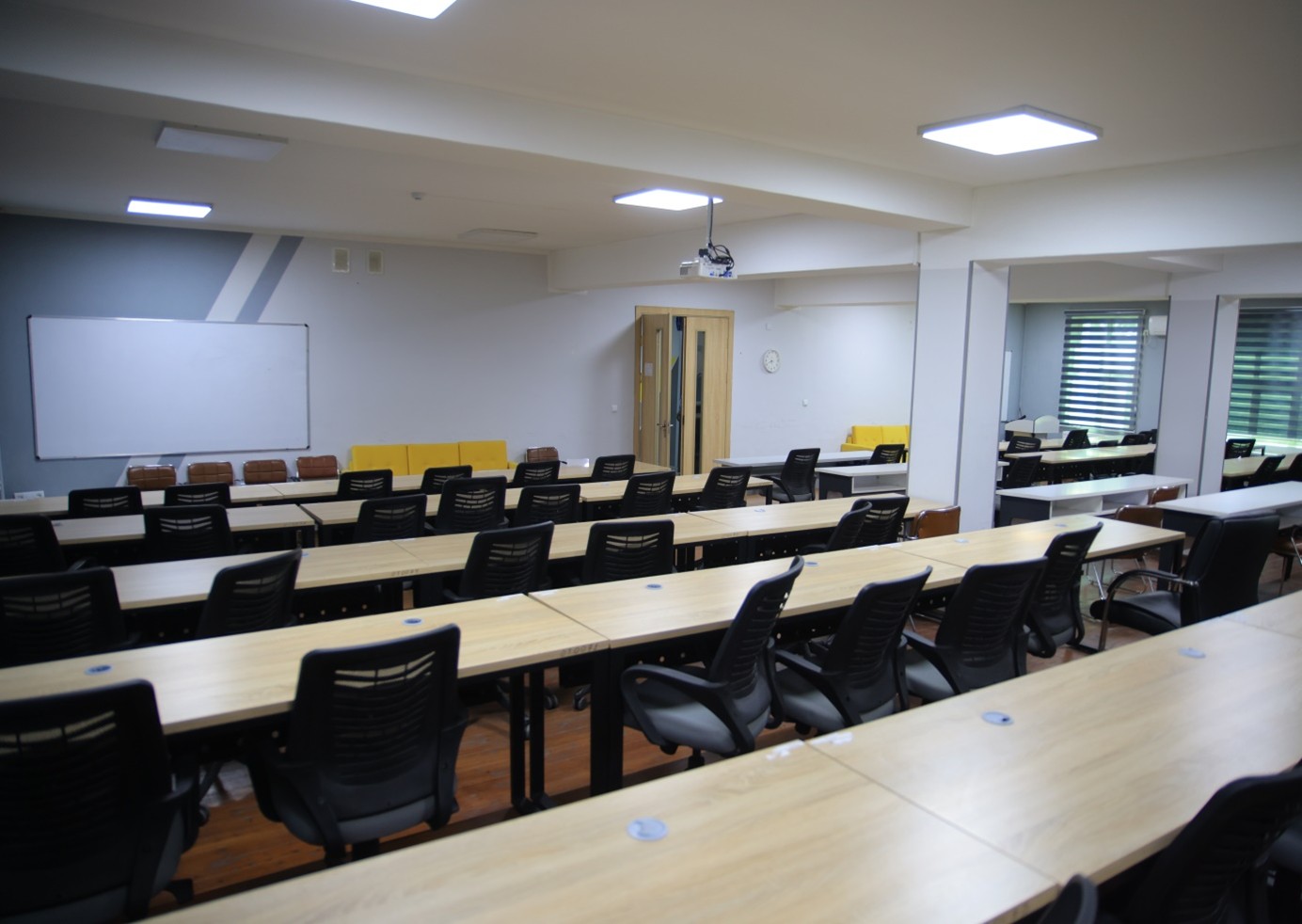
Planning, implementation, monitoring and/or evaluation of all programs related to Setting and Infrastructure through the utilization of Information and Communication Technology (ICT)

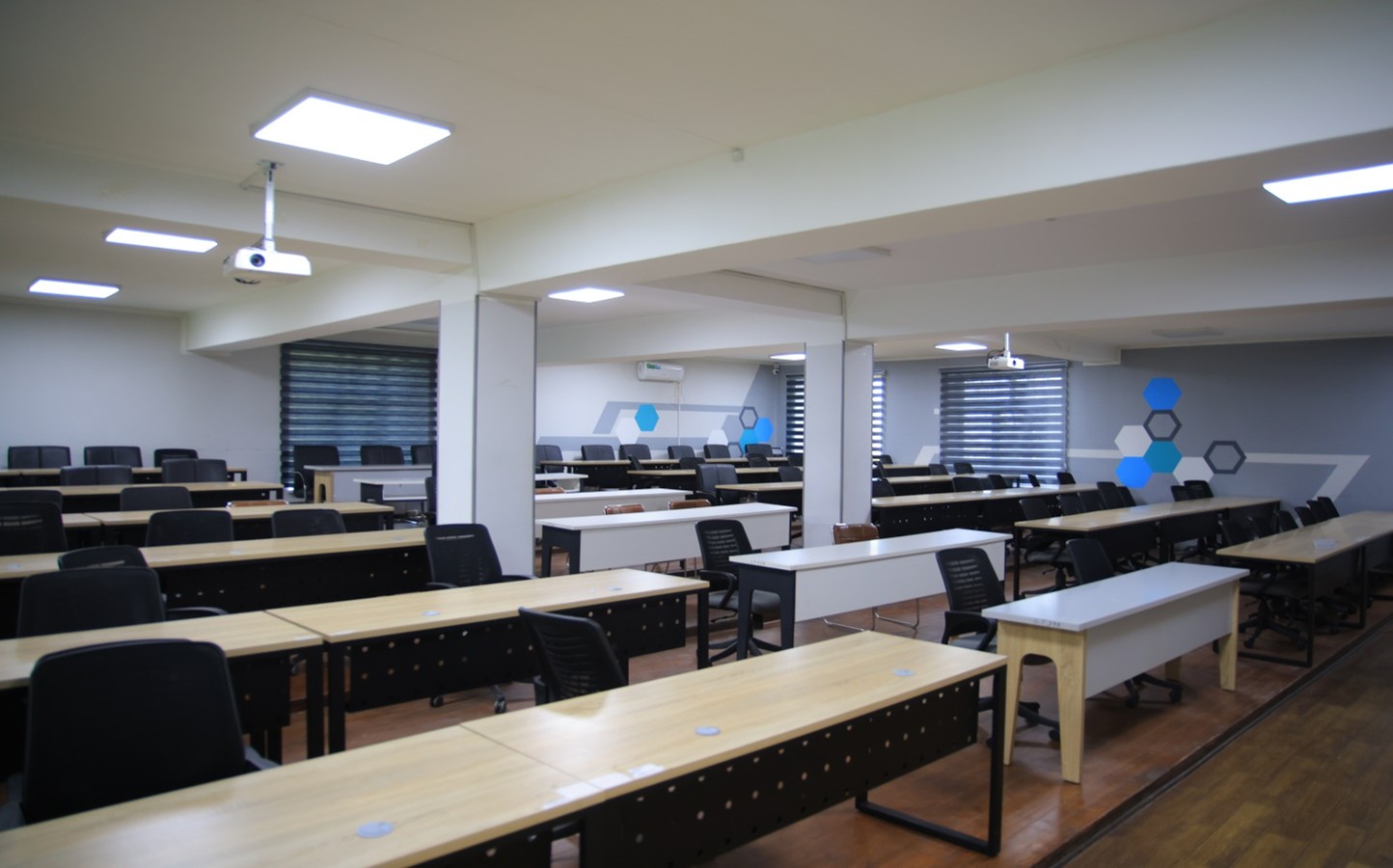
Implementation, Monitoring, and Evaluation of All Programs Related to Setting and Infrastructure Through ICT
The institute has adopted a modern, technology-driven approach to campus planning and infrastructure management through the integration of Information and Communication Technology (ICT). Digital tools are extensively utilized in the design, development, and maintenance of the university’s physical and virtual environments. Smart campus management systems enable efficient resource allocation, space optimization, and energy-saving practices. By employing Geographic Information Systems (GIS) and Building Information Modeling (BIM), the institute ensures that all new construction and renovation projects meet sustainable design principles and adhere to environmental standards.
During the implementation phase, ICT-based platforms facilitate coordination among administrative units, engineers, and academic departments. These systems enhance transparency and ensure that infrastructure projects are executed according to approved plans, safety regulations, and sustainability goals. Real-time data collection and cloud-based management tools allow decision-makers to monitor project progress, resource use, and financial efficiency. This digital integration helps reduce delays, minimize waste, and ensure that infrastructure development aligns with institutional objectives.
The monitoring and evaluation processes are also strengthened by ICT. Advanced sensors and data analytics systems track the consumption of electricity, water, and other resources across the campus. This data is continuously analyzed to identify areas where efficiency can be improved. Smart dashboards and automated reporting systems enable administrators to evaluate the environmental performance of campus facilities and make data-informed decisions. Regular audits of building operations are conducted using these technologies to maintain high standards of safety, accessibility, and sustainability.
Moreover, ICT tools are incorporated into the university’s broader sustainability strategy. Through digital monitoring platforms, the institute can assess the long-term impact of its infrastructure projects on the environment and the campus community. Online communication channels also encourage staff and students to participate in sustainability initiatives, report issues, and contribute to the improvement of the campus environment. This integration of ICT in planning, implementation, monitoring, and evaluation processes reflects the institute’s commitment to building a smart, sustainable, and data-driven academic ecosystem.
Planning: Development of a Digital Campus Master Plan
- Activities/Programs: Create a comprehensive digital master plan, identify needs, set objectives, and develop strategies for ICT integration across campus infrastructure.
- ICT Utilization: Project management software (Microsoft Project, Asana) and digital collaboration tools (Slack, Microsoft Teams) for coordinating planning activities, documenting discussions, and managing timelines.
- Evidence: Project proposals, minutes from planning meetings, and digital documents of the master plan.
- Timeline: January 2024 - March 2024
- Responsible Team/Department: ICT Committee, Campus Planning Department
Implementation: Installation of Smart Classroom Technology
- Activities/Programs: Deploy interactive whiteboards, digital projectors, and video conferencing systems to enhance teaching and learning.
- ICT Utilization: Interactive whiteboards (SMART Boards), digital projectors, and video conferencing systems (Zoom, Microsoft Teams).
- Evidence: Purchase orders, installation reports, and user manuals.
- Timeline: April 2024 - June 2024
- Responsible Team/Department: ICT Department, Facility Management
Monitoring: Regular Audits of Network Infrastructure and Classroom Technology Usage
- Activities/Programs: Monitor network infrastructure and classroom technology usage for optimal performance and identify areas for improvement.
- ICT Utilization: Network monitoring tools (Nagios, PRTG Network Monitor) and usage analytics software (Google Analytics for education).
- Evidence: Audit reports, network performance metrics, and classroom technology usage statistics.
- Timeline: July 2024 - Ongoing
- Responsible Team/Department: ICT Department, Academic Affairs
Evaluation: Assessment of ICT Impact on Teaching and Learning Outcomes
- Activities/Programs: Evaluate effectiveness of ICT solutions, collect feedback from stakeholders, and analyze academic performance data.
- ICT Utilization: Digital surveys and feedback forms (Google Forms, SurveyMonkey), data analysis tools (SPSS, Excel).
- Evidence: Survey results, feedback summaries, and academic performance data before and after implementation.
- Timeline: December 2024
- Responsible Team/Department: Institutional Research, ICT Department