Impact of Setting and Infrastructure programs in supporting the Sustainable Development Goals
Impact of Setting and Infrastructure Programs in Supporting the Sustainable Development Goals (SDGs)
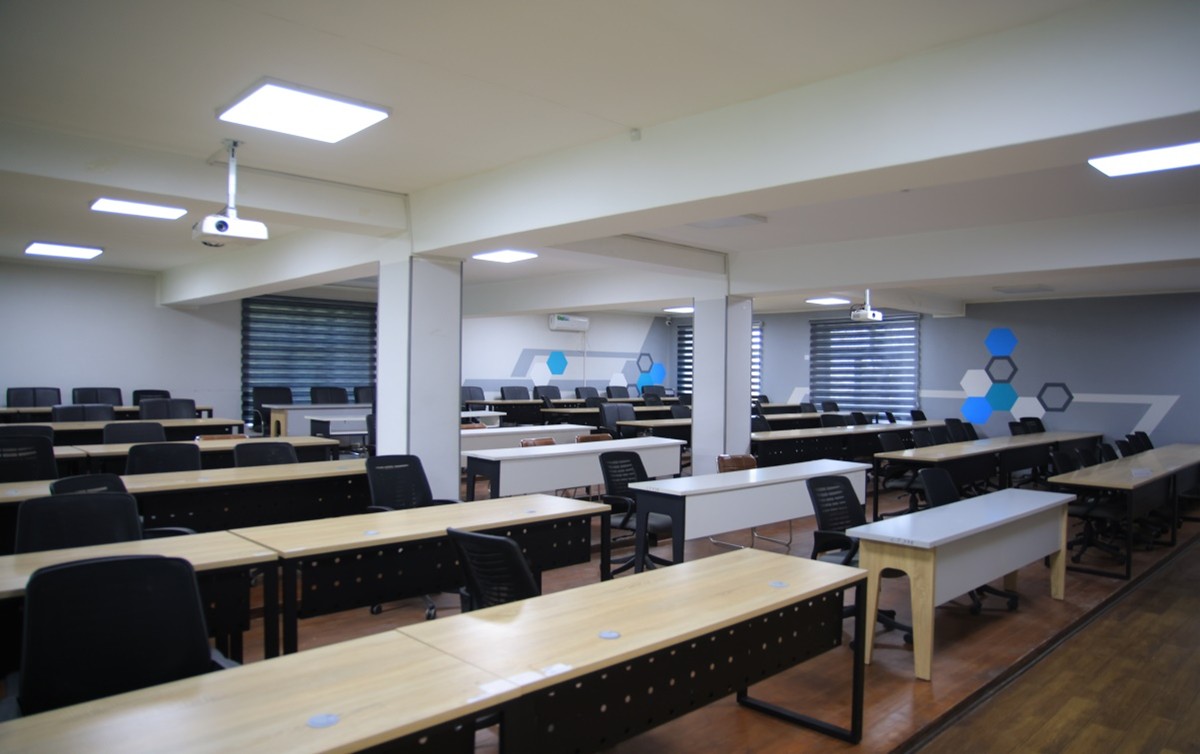
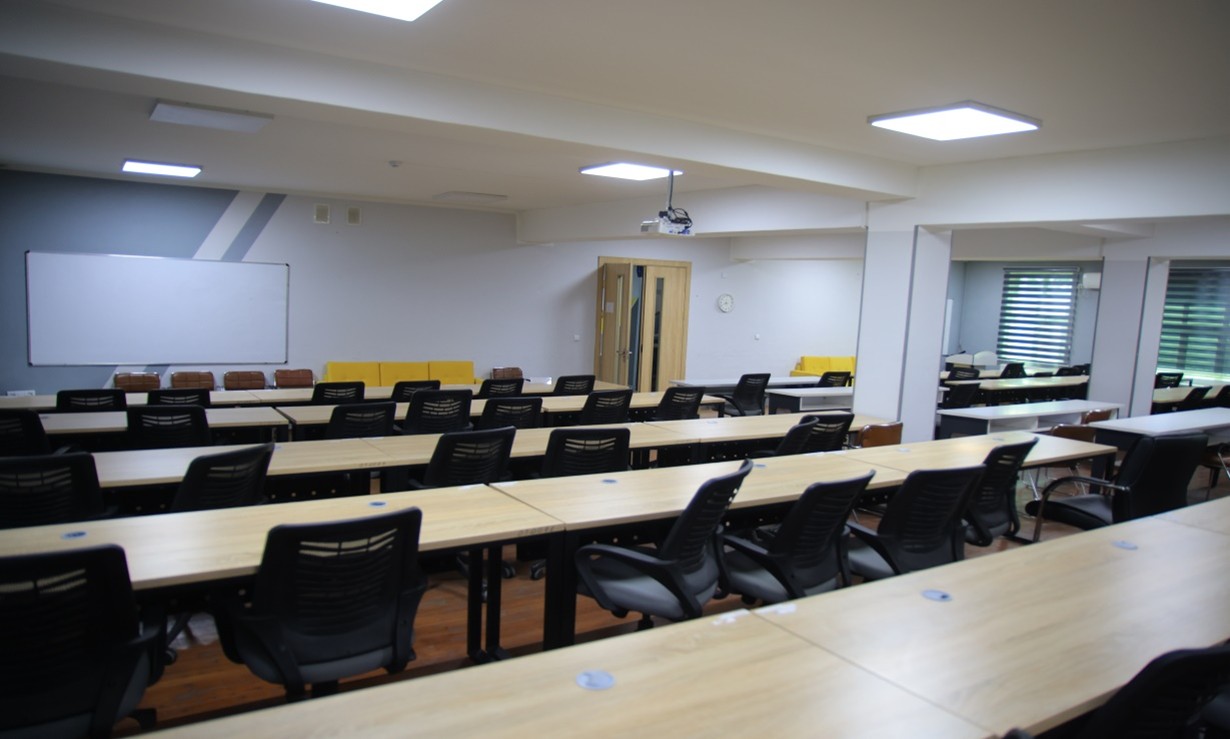
The campus setting and infrastructure development programs play a central role in promoting sustainability, resilience, and innovation within higher education institutions. These programs extend beyond physical development by creating a sustainable ecosystem aligned with the United Nations Sustainable Development Goals (SDGs). Through green spaces, modern infrastructure, digital technologies, and inclusive facilities, the institution improves environmental performance, social inclusion, and economic efficiency.
Sustainable campus infrastructure transforms the university into a living laboratory for sustainability. Green areas, water absorption zones, energy-efficient buildings, biodiversity conservation sites, and smart infrastructure provide opportunities for education, research, innovation, and community engagement while demonstrating responsible environmental stewardship.
The campus directly contributes to SDG 3 (Good Health and Well-Being) by providing healthy green spaces, shaded walkways, sports facilities, and clean air through extensive vegetation. Sustainable water infrastructure including rainwater harvesting, wastewater treatment, and groundwater recharge systems supports SDG 6 (Clean Water and Sanitation). Energy-efficient buildings and renewable energy technologies contribute significantly to SDG 7 (Affordable and Clean Energy).
Smart campus technologies, Building Information Modeling (BIM), IoT monitoring systems, and digital facility management improve operational efficiency while advancing SDG 9 (Industry, Innovation and Infrastructure). Accessible infrastructure, ramps, inclusive pathways, lactation rooms, and safety facilities strengthen SDG 5 (Gender Equality) and SDG 10 (Reduced Inequalities). Biodiversity conservation areas, forest vegetation, botanical gardens, and habitat protection programs directly support SDG 15 (Life on Land).
Sustainable pedestrian infrastructure, pollution reduction initiatives, green public spaces, and environmentally friendly campus planning contribute to SDG 11 (Sustainable Cities and Communities). Climate adaptation measures including green roofs, natural shading systems, permeable surfaces, and sustainable drainage infrastructure enhance resilience while supporting SDG 13 (Climate Action).
Information and Communication Technology (ICT) serves as a key enabler of sustainability by supporting real-time monitoring of energy, water, vegetation, and carbon emissions. Digital dashboards, GIS mapping, IoT sensors, and data analytics provide evidence-based decision making, improve operational efficiency, and strengthen transparent sustainability reporting.
Evidence of Impact
- Reduction in electricity consumption per capita and overall campus carbon emissions.
- Expansion of green spaces, biodiversity conservation areas, forests, and water absorption zones.
- Improved accessibility through inclusive infrastructure and enhanced health and safety facilities.
- Implementation of digital management systems that improve operational efficiency and academic services.
- Increased participation of students and staff in sustainability research, environmental campaigns, and volunteer programs.
- Continuous monitoring using IoT technologies, GIS mapping, sustainability dashboards, and internal audits.
Long-Term Institutional Commitment
Sustainability principles are integrated throughout the entire campus development lifecycle, from planning and design to construction, operation, maintenance, and renovation. Renewable energy systems, green procurement, eco-friendly construction materials, waste recycling, sustainable transportation, and resource-efficient technologies have become essential elements of institutional development.
Educational campaigns, sustainability seminars, student-led projects, and interdisciplinary research ensure that environmental responsibility remains embedded within the institutional culture. Through collaboration with government agencies, industry partners, local communities, and international organizations, the institute actively shares best practices and contributes to regional and global sustainable development.
By integrating innovative infrastructure, digital technologies, environmental stewardship, and inclusive campus planning, the institute continues to strengthen its contribution to the Sustainable Development Goals while serving as a model of sustainable higher education.
Supported Sustainable Development Goals (SDGs)
- ✅ SDG 3 – Good Health and Well-Being
- ✅ SDG 5 – Gender Equality
- ✅ SDG 6 – Clean Water and Sanitation
- ✅ SDG 7 – Affordable and Clean Energy
- ✅ SDG 9 – Industry, Innovation and Infrastructure
- ✅ SDG 10 – Reduced Inequalities
- ✅ SDG 11 – Sustainable Cities and Communities
- ✅ SDG 13 – Climate Action
- ✅ SDG 15 – Life on Land
- ✅ SDG 17 – Partnerships for the Goals