Water conservation program and implementation
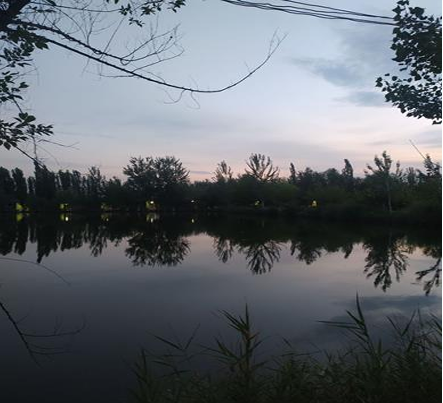
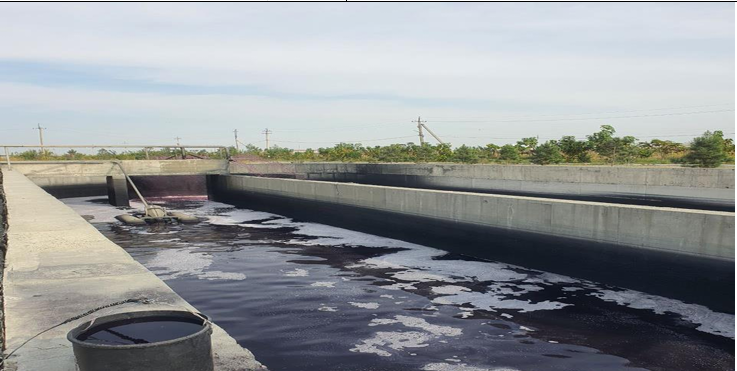
Rainwater Collection and Sewage Treatment System
Sustainable Water Management at Andijan State Technical Institute
Introduction
Rainwater collection is a sustainable practice that provides significant environmental and economic benefits for Andijan State Technical Institute (ASTI). By capturing and storing rainwater, the institute strengthens water security, reduces dependence on municipal water supplies, and supports sustainable campus operations.
The institute experiences seasonal rainfall throughout the year and utilizes this natural resource through an integrated rainwater harvesting and wastewater management system.
How the System Works
Rainwater is collected from rooftops through gutters and pipelines before being conveyed into storage tanks, infiltration ponds, canals, and underground reservoirs. After collection, the water is filtered and reused for non-potable purposes including landscape irrigation, toilet flushing, and campus maintenance.
A dedicated pipeline system connects campus buildings to wastewater storage facilities while maintaining complete separation between rainwater drainage and sanitary sewage.
Benefits of Rainwater Harvesting
- Reduces dependence on municipal water supplies.
- Improves campus water security during dry seasons.
- Reduces stormwater runoff and flooding.
- Minimizes soil erosion and water pollution.
- Provides water for irrigation, toilet flushing, and cleaning.
- Supports sustainable groundwater recharge.
Campus Water Infrastructure
- Separate sewage and rainwater drainage systems in every campus building.
- Rainwater collected from rooftops is directed to ponds, canals, and infiltration areas.
- Selected buildings collect rainwater for indoor plant irrigation and toilet flushing.
- Dedicated conduits connect campus buildings to wastewater storage tanks.
- Rainwater is also collected from parking areas and other paved surfaces.
Sewage Treatment Process
The Rainwater and Sewage Treatment Plant utilizes a multi-stage wastewater treatment process consisting of:
- Preliminary screening
- Primary sedimentation treatment
- Secondary biological treatment
- Tertiary purification and disinfection
After treatment, wastewater meets environmental discharge standards and can be safely reused for irrigation, landscaping, and selected industrial applications.
Environmental Impact
- Conserves freshwater resources.
- Reduces environmental pollution.
- Improves watershed protection.
- Supports sustainable campus water management.
- Promotes circular water use through wastewater reuse.
- Reduces the institute's environmental footprint.
Educational Outreach
The rainwater harvesting and wastewater treatment facility also serves as a practical learning center for students, researchers, and faculty members. It provides hands-on experience in sustainable water management, wastewater treatment technologies, environmental engineering, and resource conservation.
Through research projects, laboratory activities, and environmental awareness programs, the institute promotes innovation and develops future engineers committed to sustainable development.
Contribution to Sustainable Development Goals (SDGs)
- SDG 6 – Clean Water and Sanitation
- SDG 11 – Sustainable Cities and Communities
- SDG 12 – Responsible Consumption and Production
- SDG 13 – Climate Action
- SDG 15 – Life on Land
- SDG 9 – Industry, Innovation and Infrastructure