Impact of Water Management programs in supporting the Sustainable Development Goals (SDGs).

Water Management Programs Supporting the Sustainable Development Goals
Andijan State Technical Institute
Overview
Andijan State Technical Institute has implemented a comprehensive range of water management programs that significantly contribute to the achievement of the United Nations Sustainable Development Goals (SDGs). These initiatives demonstrate the institute's commitment to sustainable water conservation, efficient resource management, environmental protection, and climate resilience.
Key Water Management Programs
- Installation of rainwater harvesting systems on rooftops and open areas for irrigation and toilet flushing.
- Construction of infiltration wells and bio-retention systems to improve groundwater recharge and reduce surface runoff.
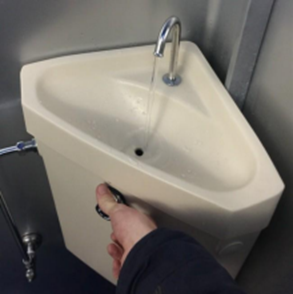
- Installation of water-efficient fixtures, including low-flow faucets, dual-flush toilets, and water-saving sanitary equipment.
- Deployment of digital water meters and smart monitoring systems to measure water consumption and detect leaks in real time.
- Landscaping using native and drought-tolerant plant species to reduce irrigation demand.
- Operation of wastewater treatment facilities for greywater reuse in irrigation, flushing, and cleaning.
- Development of permeable pavements and green infrastructure to enhance natural water infiltration.
- Organization of awareness campaigns, seminars, and workshops promoting water conservation among students and staff.
- Integration of water-sensitive design principles into new campus buildings and renovation projects.
- Collaboration with government agencies, NGOs, research institutions, and industry partners on sustainable water management research and policy development.
Contribution to the Sustainable Development Goals
These initiatives directly support numerous Sustainable Development Goals while strengthening environmental sustainability, climate resilience, and responsible water resource management across the university.
| SDG | Contribution |
|---|---|
| SDG 3 | Supporting public health through access to clean and safe water. |
| SDG 4 | Providing sustainable learning environments supported by reliable water infrastructure. |
| SDG 6 | Ensuring sustainable management of water resources and sanitation. |
| SDG 9 | Implementing innovative water management technologies and infrastructure. |
| SDG 11 | Building resilient and sustainable campus communities through efficient water management. |
| SDG 12 | Promoting responsible consumption and efficient use of natural resources. |
| SDG 13 | Reducing climate impacts through adaptive water conservation strategies. |
| SDG 14 | Reducing water pollution to protect aquatic ecosystems. |
| SDG 15 | Protecting terrestrial ecosystems through integrated water resource management. |
| SDG 17 | Strengthening partnerships with government, industry, NGOs, and academic institutions for sustainable water development. |
Overall Impact
Through continuous investment in innovative water infrastructure, resource-efficient technologies, education, research, and community partnerships, Andijan State Technical Institute continues to strengthen its contribution toward sustainable campus development and the global Sustainable Development Goals. These integrated initiatives improve water efficiency, enhance environmental quality, reduce climate-related risks, and create a resilient campus that serves as a model for sustainable water management in higher education.