WWater pollution control in the campus area
Policy on Preventing Water System Pollution
Andijan State Technical Institute
Institutional Policy
Andijan State Technical Institute has established a comprehensive policy to prevent and reduce pollution of rivers, canals, and other water bodies resulting from campus activities. The policy supports sustainable water management, environmental conservation, and compliance with the environmental legislation of the Republic of Uzbekistan.
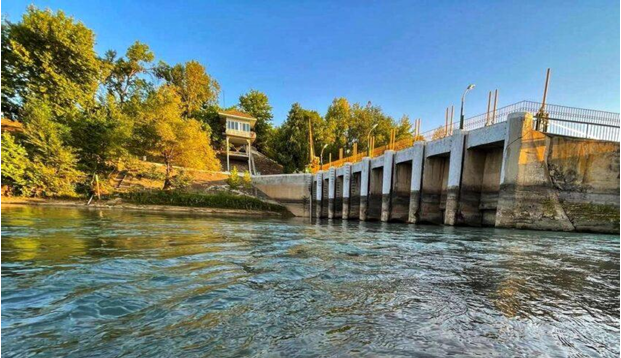
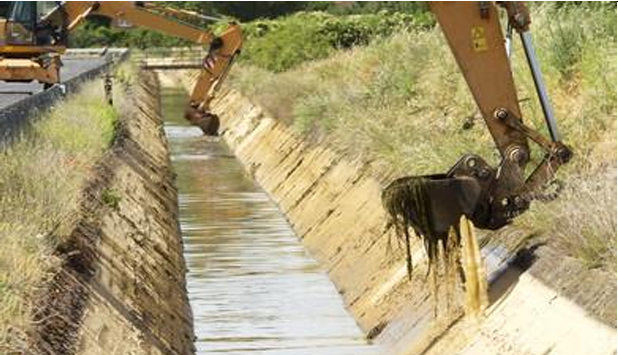
The institute actively protects nearby lakes, urban forests, and natural waterways while implementing measures to reduce pollution from land-based activities and improve the quality of surface and groundwater resources.
National Regulations
The university follows the requirements of the Resolution of the Cabinet of Ministers of the Republic of Uzbekistan No. 981 (11 December 2019), which establishes procedures for determining water protection zones, sanitary protection areas, and regulations governing activities within these areas to prevent water pollution, ensure effective water resource management, and promote sustainable use of water bodies.
Institutional Environmental Policies
- Rector Decree Letter No. 386 on reducing paper and plastic consumption across the campus.
- Rector Decree Letter No. 16 (2020) introducing the Zero Plastic Program.
- Hazardous and toxic waste management procedures to prevent contamination of water resources.
Wastewater Treatment System
The institute operates a wastewater treatment system designed to prevent contaminated water from entering rivers, canals, and groundwater resources.
Domestic wastewater generated on campus is treated using a dedicated wastewater treatment plant equipped with microfiltration technology.
After treatment, recycled water is discharged into infiltration wells where it is stored as a reserve water resource with a treatment capacity of 12 m³/day.
Water Quality Standards
The institute follows national water quality standards and wastewater discharge guidelines to protect ecosystems, biodiversity, wildlife, and public health.
Water quality is monitored regularly, and wastewater discharge complies with the environmental requirements established under Cabinet Resolution No. 981.
Key Environmental Measures
- Protection of rivers, canals, lakes, and urban forests.
- Wastewater treatment before discharge.
- Microfiltration technology for domestic wastewater.
- Reuse of treated wastewater through infiltration wells.
- Reduction of paper and plastic waste.
- Zero Plastic Program implementation.
- Hazardous waste management.
- Regular monitoring of water quality.
Contribution to Sustainable Development Goals (SDGs)
- SDG 6 – Clean Water and Sanitation
- SDG 11 – Sustainable Cities and Communities
- SDG 12 – Responsible Consumption and Production
- SDG 13 – Climate Action
- SDG 15 – Life on Land
- SDG 17 – Partnerships for the Goals