Impact of Transportation programs in supporting the Sustainable Development Goals (SDGs).
Impact of Transportation Programs in Supporting the Sustainable Development Goals (SDGs)
Andijan State Technical Institute has undertaken a wide range of sustainable transportation programs that contribute significantly to the achievement of the United Nations Sustainable Development Goals (SDGs). These initiatives demonstrate the institute's commitment to environmentally responsible mobility, energy efficiency, public health, and sustainable campus development.
The following transportation programs have been implemented across the campus:
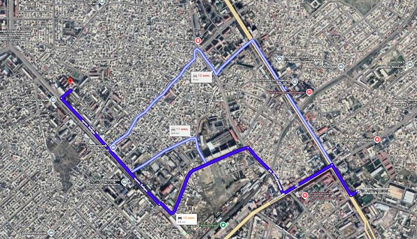
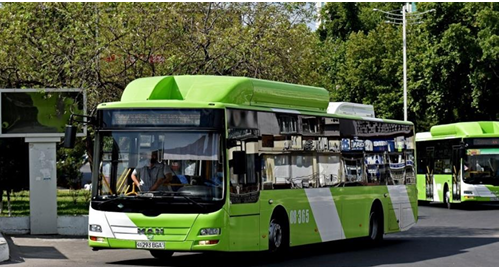
1. Campus Shuttle Services
The institute provides shuttle and public transportation connections that facilitate access to the campus from different districts of Andijan city. These services help reduce the use of private vehicles, decrease traffic congestion, and lower greenhouse gas emissions.
2. Pedestrian-Friendly Campus Policy
A comprehensive pedestrian path network connects academic buildings, laboratories, administrative offices, student facilities, and recreational areas. Safe walkways, adequate lighting, and accessibility features encourage walking as a primary mode of transportation within the campus.
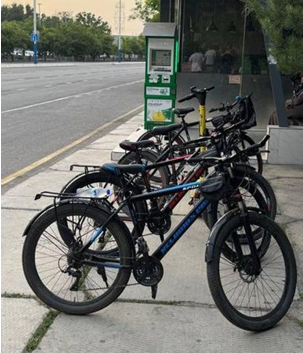
3. Bicycle Infrastructure and Facilities
The campus provides bicycle parking areas and promotes cycling as an environmentally friendly transportation alternative. The development of bicycle-friendly infrastructure helps reduce dependence on motorized transport while encouraging healthy lifestyles.
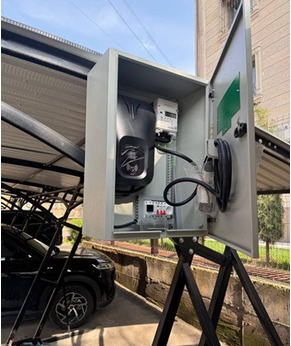
4. Electric Vehicle (EV) Charging Stations
Electric vehicle charging points have been installed on campus to support the transition toward cleaner transportation technologies. This initiative encourages the adoption of low-emission vehicles and contributes to reducing fossil fuel consumption.
5. Parking Management and Vehicle Reduction Measures
The institute has implemented policies to limit the expansion of parking areas and optimize the use of existing parking facilities. Priority is given to sustainable transportation modes such as walking, cycling, public transportation, and shared mobility options.
6. Green Mobility Awareness Campaigns
Regular educational activities, seminars, workshops, and awareness campaigns are organized to encourage students and staff to adopt sustainable transportation habits. These programs promote environmental responsibility and increase awareness of climate-related challenges.
7. Accessible and Inclusive Transportation Environment
The campus transportation system is designed to support equal access for all users, including individuals with disabilities. Accessible pedestrian routes and barrier-free infrastructure contribute to an inclusive learning environment.
Overall Impact
Through these transportation initiatives, Andijan State Technical Institute has achieved measurable progress in reducing carbon emissions, improving air quality, promoting healthier lifestyles, enhancing campus accessibility, and fostering environmental awareness.
The programs support the university's sustainability strategy and directly contribute to multiple Sustainable Development Goals, particularly: