Program to limit or reduce parking area on campus over the last three years
Program to Limit or Decrease the Parking Area on Campus (2023–2025)
Andijan State Technical Institute
Program Overview
Over the last three years, Andijan State Technical Institute has implemented a comprehensive sustainable transportation strategy aimed at reducing dependence on private vehicles and limiting the expansion of parking areas across the campus. The program focuses on improving public transportation, expanding bicycle infrastructure, enhancing pedestrian accessibility, and promoting environmentally friendly mobility alternatives.
Implementation Timeline (2023–2025)
- Adopted a sustainable transportation policy prioritizing pedestrian and bicycle mobility over private vehicle use.
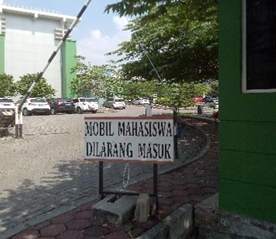
- No new parking areas were constructed despite increasing student enrollment.
- Preserved open spaces for green landscaping and recreational purposes instead of converting them into parking facilities.
- Conducted awareness campaigns encouraging the use of public transportation.
- Strengthened shuttle bus services connecting the campus with major districts of Andijan City.
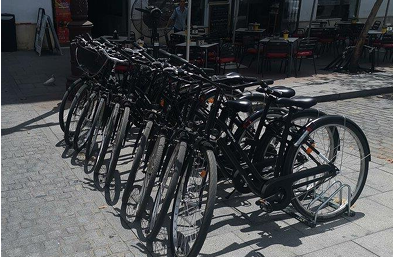
- Installed bicycle parking facilities at key campus locations.
- Redesigned internal roads and pedestrian walkways to improve accessibility.
- Introduced parking management measures to optimize existing parking spaces rather than expanding capacity.
- Installed Electric Vehicle (EV) charging stations to support cleaner transportation.
- Expanded bicycle-friendly infrastructure and increased bicycle parking racks.
- Implemented transportation demand management encouraging public transport, cycling, walking, and shared mobility.
- Reserved land previously considered for parking expansion for green spaces, water absorption areas, and sustainability infrastructure.
Program Outcomes
As a result of these initiatives, Andijan State Technical Institute successfully avoided the expansion of parking areas while significantly improving sustainable transportation infrastructure across the campus.
The university's transportation policy follows international sustainable campus practices by emphasizing transportation demand management, public transportation, cycling, walking, electric mobility, and the efficient utilization of existing parking resources instead of increasing parking capacity.
Results and Impact
Achievements
- Total parking area remained controlled without expansion.
- Pedestrian infrastructure significantly improved.
- Bicycle parking facilities expanded across campus.
- Public transportation accessibility increased.
- Electric Vehicle (EV) charging stations installed.
- Additional green spaces and water absorption areas preserved.
- Reduced dependence on private vehicles.
- Supported the university's Green Campus and Sustainable Transportation Strategy.